Skilled Deep Root Feeding North Florence
Why Arborists Matter: Comprehensive Services for Optimal Tree Growth and Risk Management.
Arborists serve a key purpose in upholding the vitality and protection of trees. Their expert understanding covers areas like tree biology, pest management, and tree structure. Consistent upkeep is necessary for avoiding possible dangers and promoting growth. Nonetheless, numerous landowners fail to notice the warnings of tree distress that could lead to serious consequences. Grasping the services of an arborist can significantly affect the duration and appearance of landscapes. What are the key services they provide?
Knowing the Purpose of Arborists
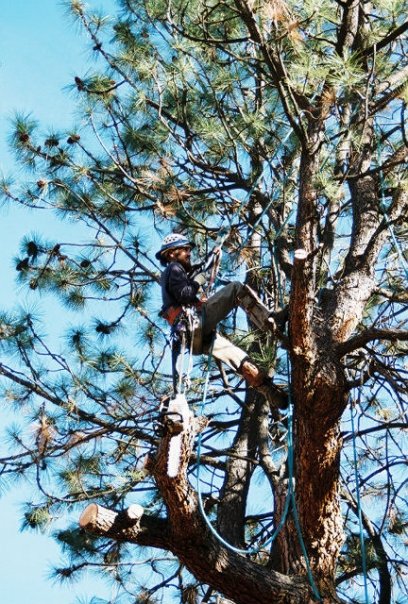
Even though many admire the beauty of trees, hardly anyone knows the crucial role that arborists play in maintaining their health and safety. Arborists are specialized professionals trained in the science and art of tree care. They hold profound insight of tree biology, ecology, and the various factors that influence tree development and firmness. Arborists assess trees for indications of illness, pest infestations, and weak points in the structure, making certain trees flourish in their environments. They also promote the ecological benefits of trees, such as carbon sequestration and wildlife habitat, pointing out their necessity in urban planning and environmental conservation. By using proven techniques in tree care, arborists aid in sustaining the general vitality of urban forests and landscapes. Their skill is necessary in educating the public about responsible tree stewardship, encouraging deeper admiration for trees and the core function they play in the ecosystem.
Essential Services Provided by Arborists
These professionals deliver a broad array of crucial offerings that contribute to the well-being and security of trees. A key offering is tree pruning, which requires cutting away dead or diseased branches to foster health and mitigate risks. Arborists also conduct tree assessments, evaluating the condition and structural integrity of trees, identifying potential risks, and advising on the best course of action. In addition, they assist with tree placement, making sure trees are situated in ideal areas with optimal dirt composition to thrive
A further essential offering is managing pests and diseases, with arborists who determine the issues and implement treatment plans to preserve the trees (Florence Arborist). In addition, many arborists engage in tree removal when necessary, safely dismantling hazardous trees to lessen hazards to property and people. To conclude, they offer consulting, teaching clients on tree care and maintenance practices that promote vigorous growth. Collectively, these services are essential for preserving both urban and rural environments
The Benefits of Regular Tree Maintenance
Regular tree maintenance offers numerous benefits that improve the health of the trees and the safety of the surrounding environment. Through consistent application of care, such as trimming and thinning, trees can grow more robustly, which permits better light access and circulation of air. This promotes sound structural growth and lowers the danger of pest and disease outbreaks. Additionally, regular maintenance assists in removing dead or hazardous branches, reducing the chance of harm to property or people during periods of strong wind.
Moreover, well-maintained trees enhance the visual beauty of landscapes, increasing property value. They also promote biodiversity by providing habitat for various species. Using professional tree specialists guarantees that maintenance practices are performed correctly, drawing on their skill to assess tree health and apply appropriate treatments. Overall, regular maintenance creates a safer setting while boosting the lifespan and health of trees, helping the ecosystem as well as the community.
Recognizing Symptoms of Tree Stress
What are the ways to tell when a tree is stressed? Recognizing signs of tree distress is crucial for preserving tree safety and health. Key indicators include leaves that are yellow or wilted, which may suggest insufficient water or a shortage of nutrients. In addition, a large number of falling leaves can be a sign of stress, especially in the growing months. Different bark textures, such as flaking or splitting, often indicate underlying issues, including disease or pest infestations. An excessive number of dead branches, particularly if they are scattered broadly, signals diminishing health. Furthermore, an unstable root system, shown by roots that are exposed or leaning, can jeopardize a tree’s overall stability. Lastly, the appearance of fungal growth around the bottom of the tree may indicate decay. By recognizing these signs early, tree owners can take appropriate action to reduce potential hazards and ensure the tree remains healthy, guaranteeing the long life and security of their trees.
Choosing the Right Arborist for What You Need
When hiring a tree professional, which elements must be taken into account to secure the most suitable provider for their tree care needs? Initially, proper documentation is crucial; the arborist you hire needs the requisite training and credentials in tree care. The arborist's experience matters greatly; arborists with extensive experience will usually deliver higher quality work. Additionally, looking at reviews and asking for references can offer insight into an arborist’s professional standards and dependability.
Another important consideration is the range of services offered. Whether tree pruning, disease management, or emergency care, a suitable arborist must be able to address to specific needs. Furthermore, it is advisable to inquire about insurance and safety practices to assure protection against potential liabilities. Lastly, receiving quotes from different providers allows you to compare cost and value, leading to a better decision. By carefully evaluating these factors, individuals can choose an arborist who aligns with their requirements and supports the health and security of their trees.
Frequently Asked Questions
What is the Recommended Frequency for Tree Maintenance?
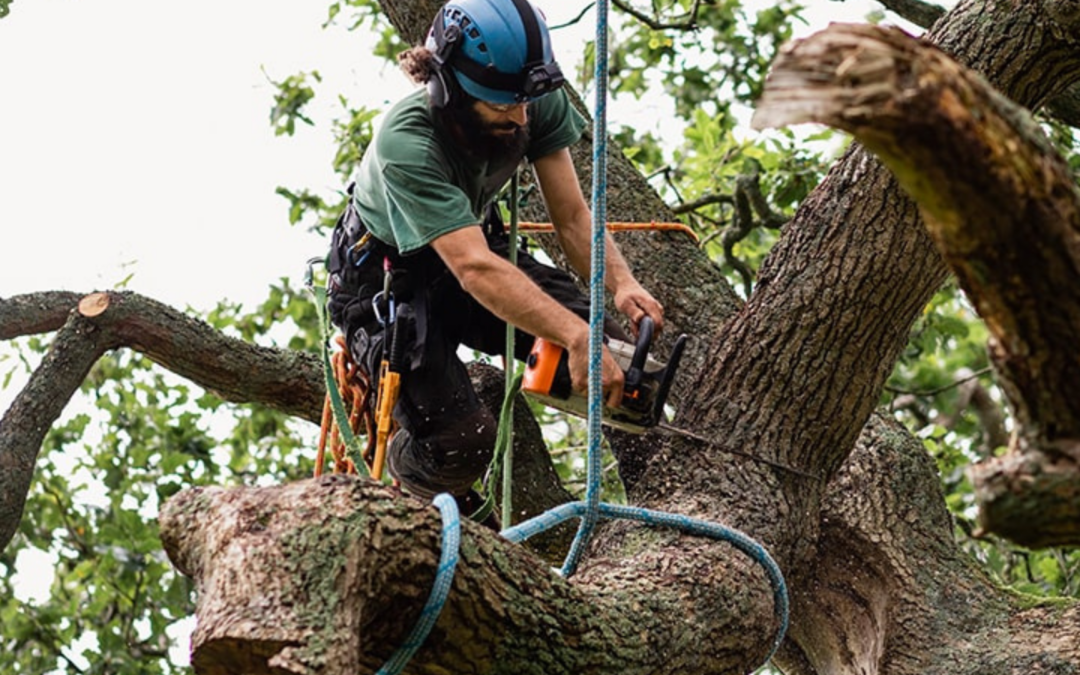
Scheduling tree maintenance is recommended at least once a year for most species (Florence Arborist). Yet, the exact needs might change based on the species, climate, and tree maturity, which requires adjusting the maintenance schedule appropriately
Which Credentials Should I Seek in an Arborist?
In your search for an arborist, you must check for credentials such as certification from the ISA (International Society of Arboriculture), accreditation by the TCIA (Tree Care Industry Association), or local licenses that indicate proficiency in tree care and safety practices.
Can Arborists Help With Tree Planting?
Absolutely, certified tree experts can aid with the process of tree installation. They provide expertise when choosing suitable tree documentation types, making certain planting methods are correct, and giving advice about the specific site factors, ultimately promoting healthy growth and enhancing the landscape's ecological balance.
What Impact Do Climatic Factors Have On Tree Care?
Climatic factors significantly impact tree maintenance. Extreme temperatures, precipitation levels, and air movement can affect growth, vitality, and vulnerability to pests, demanding specific treatment approaches to ensure trees flourish in varying environmental conditions.
What's the Standard Fee of Hiring an Arborist?
The standard price for arborist services typically ranges from three hundred to fifteen hundred dollars, influenced by elements like location, tree size, and the intricacy of the job for necessary tree upkeep and vitality checks.